DocSpawn
2025High-performance document generation platform that transforms templates into production-ready PDFs at scale. Design templates via a visual canvas editor, then generate documents by filling forms, feeding datasets, or authoring rich HTML — all rendered into pixel-perfect PDFs in milliseconds with a Rust-powered rendering engine.
Case Study
Overview
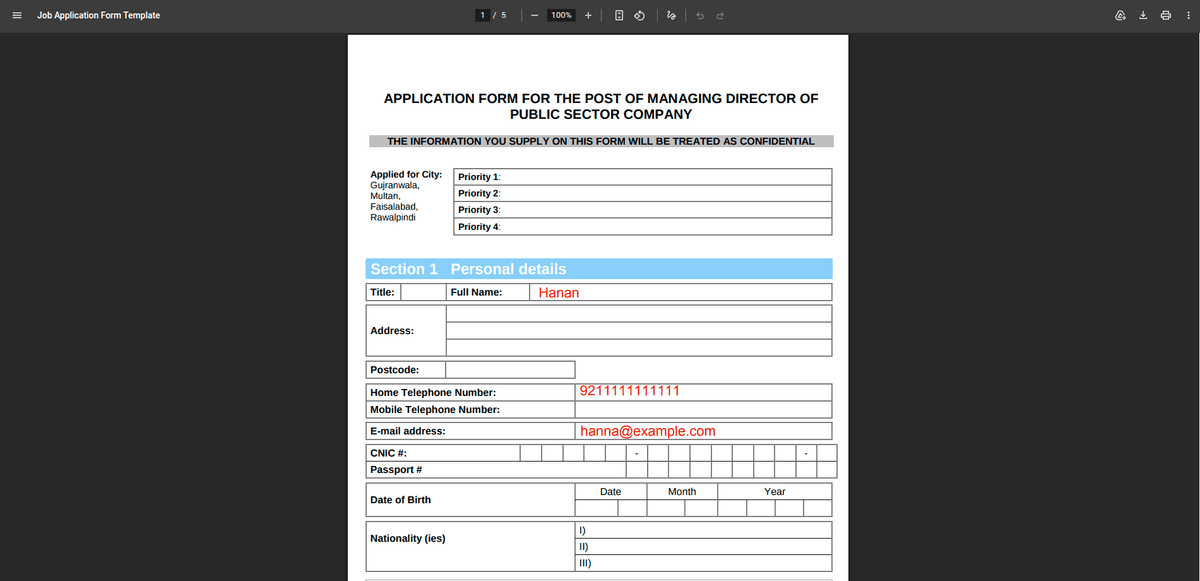
DocSpawn is a high-performance document generation platform that transforms templates into production-ready PDFs at scale. Users design templates via a visual Fabric.js canvas editor, then generate documents through three distinct modes: form-based single generation, dataset-driven batch generation, or rich HTML authoring. A dedicated Rust microservice (Axum + Tokio + lopdf) handles the CPU-intensive rendering pipeline, achieving sub-second per-document performance while NestJS orchestrates auth, permissions, and business logic.
What Makes It Special?
For Users
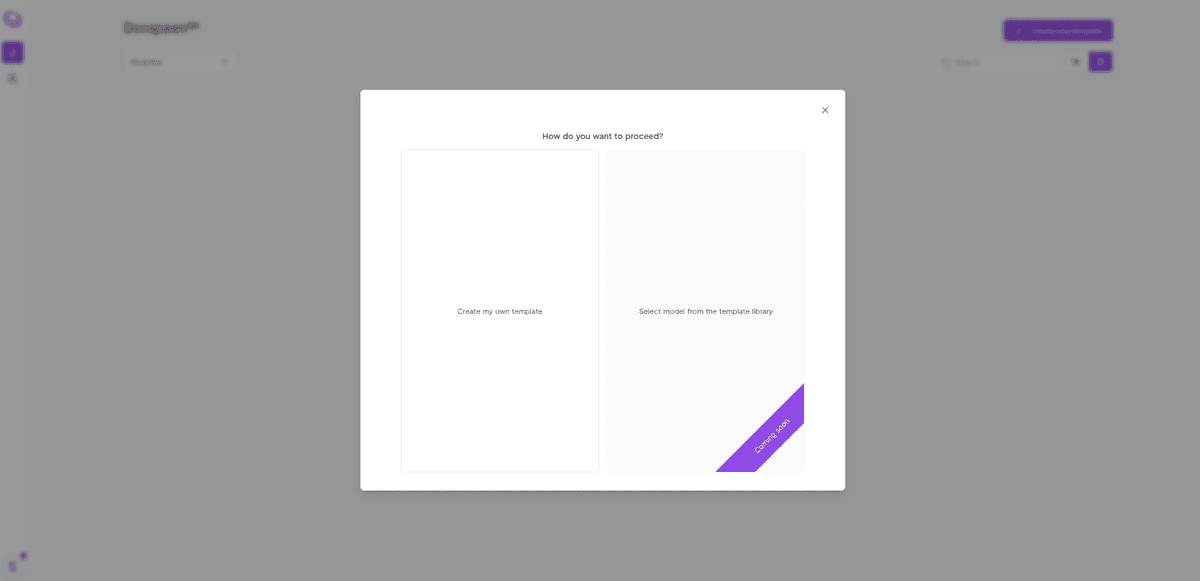
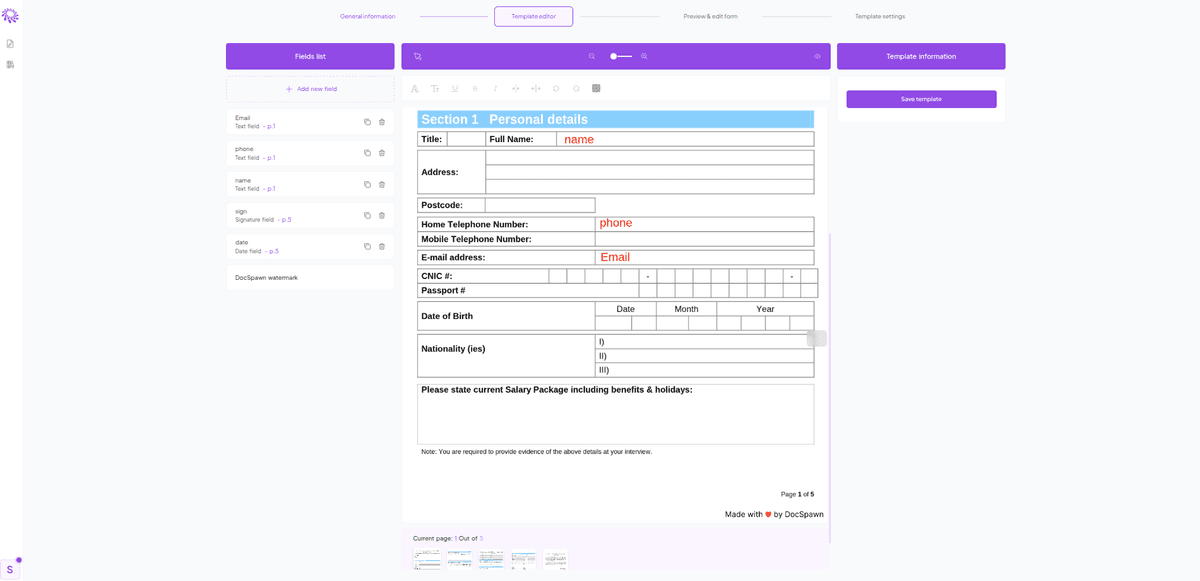
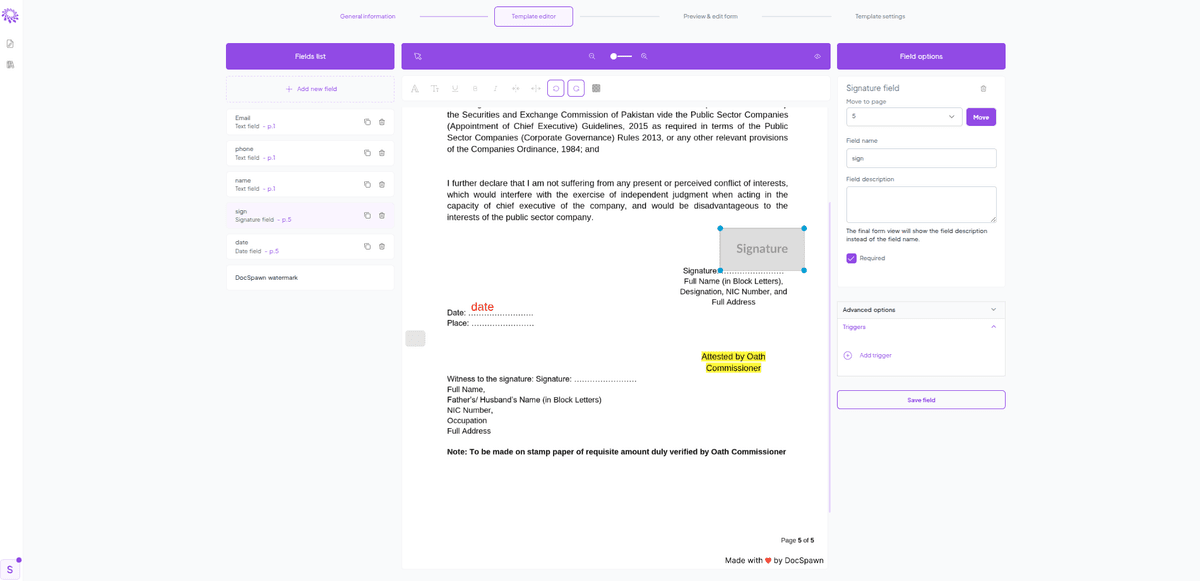
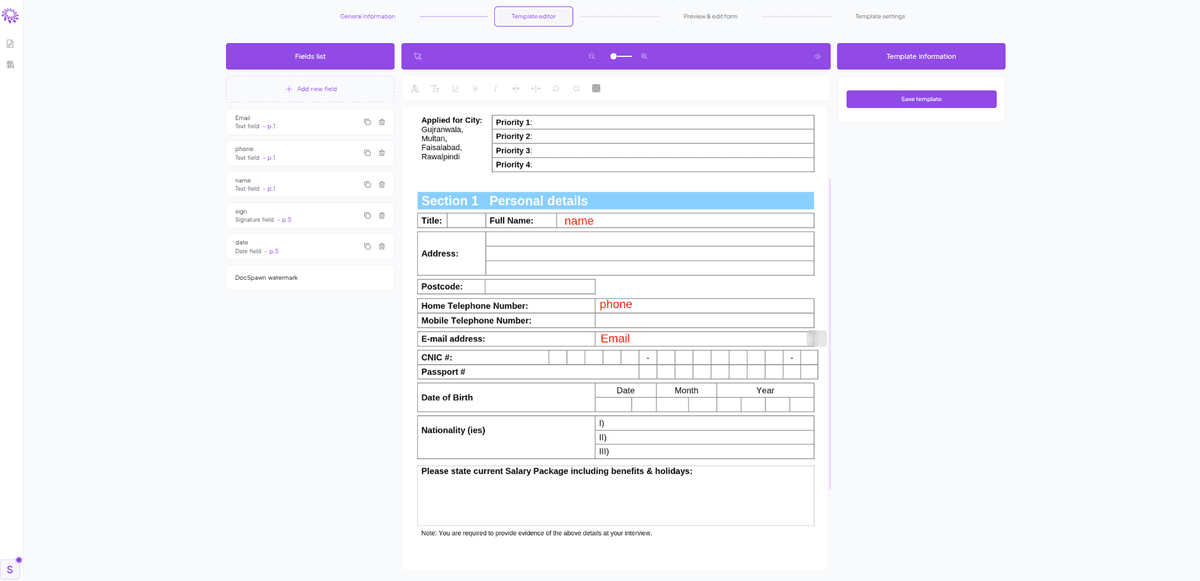
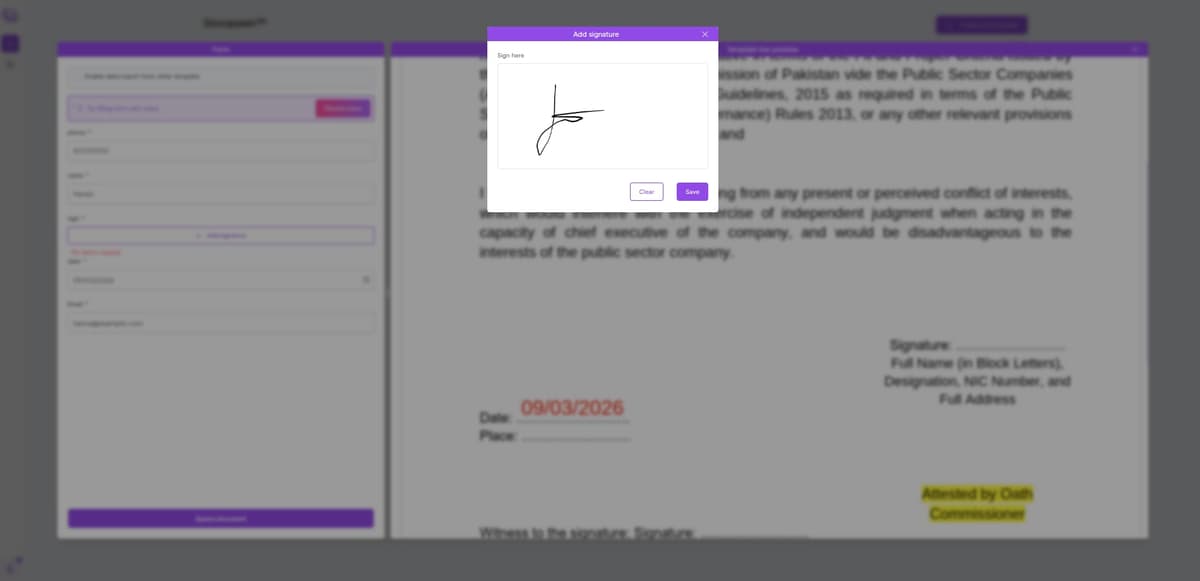
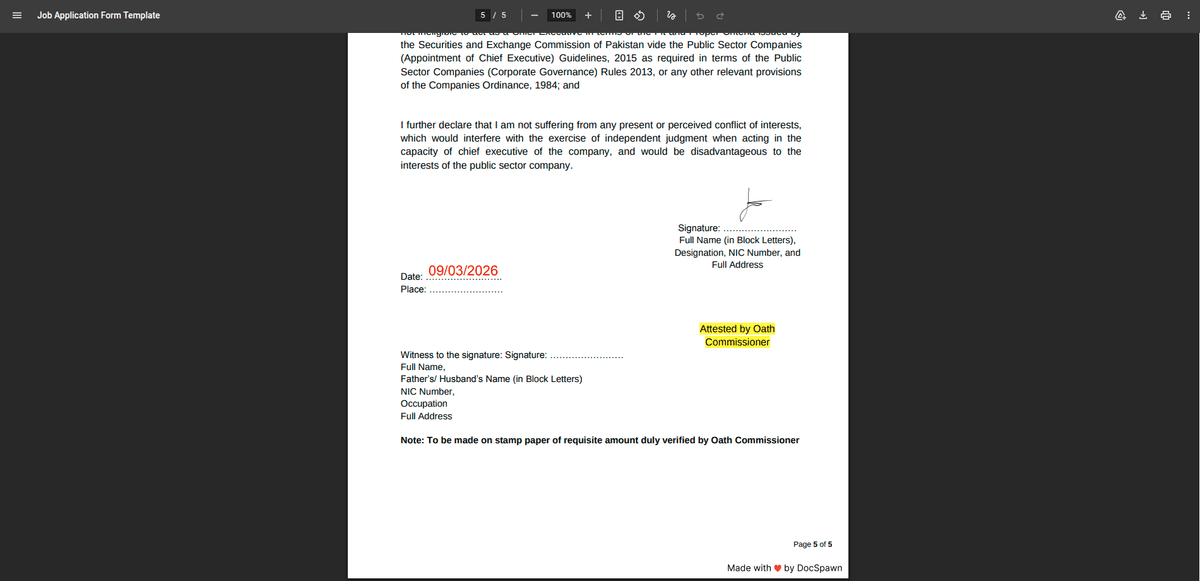
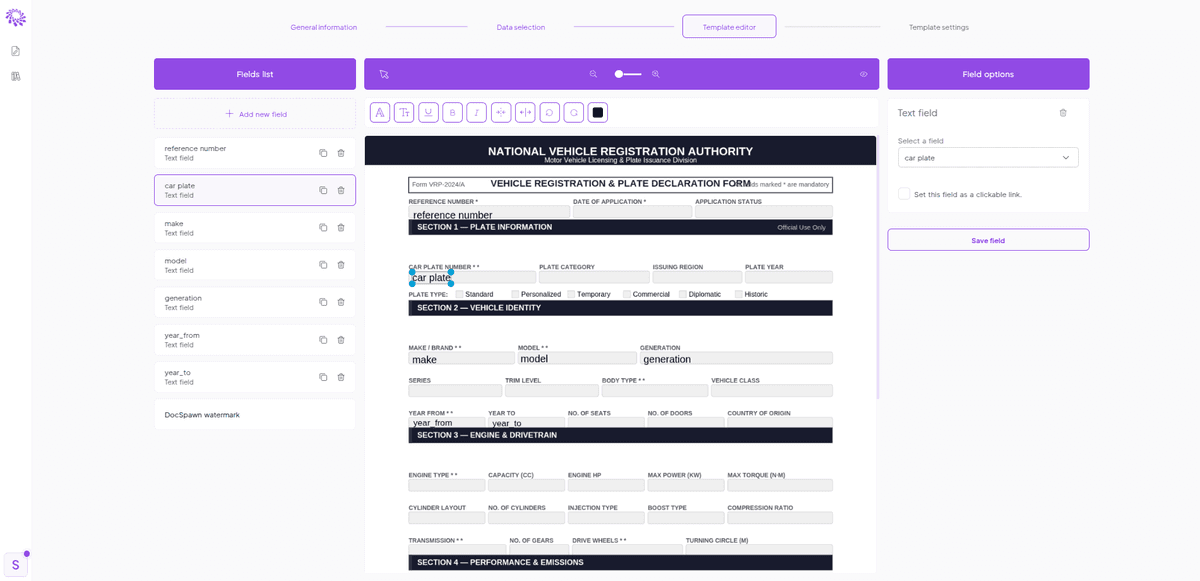
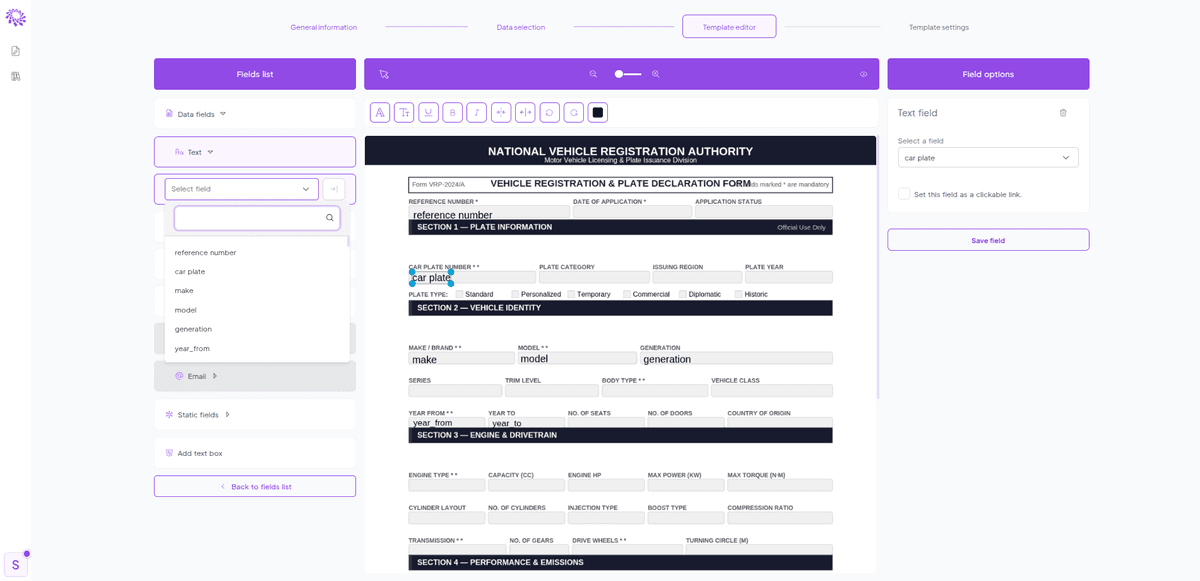
- •Visual template editor with drag-and-drop text, images, checkboxes, signatures onto PDF backgrounds with per-field styling
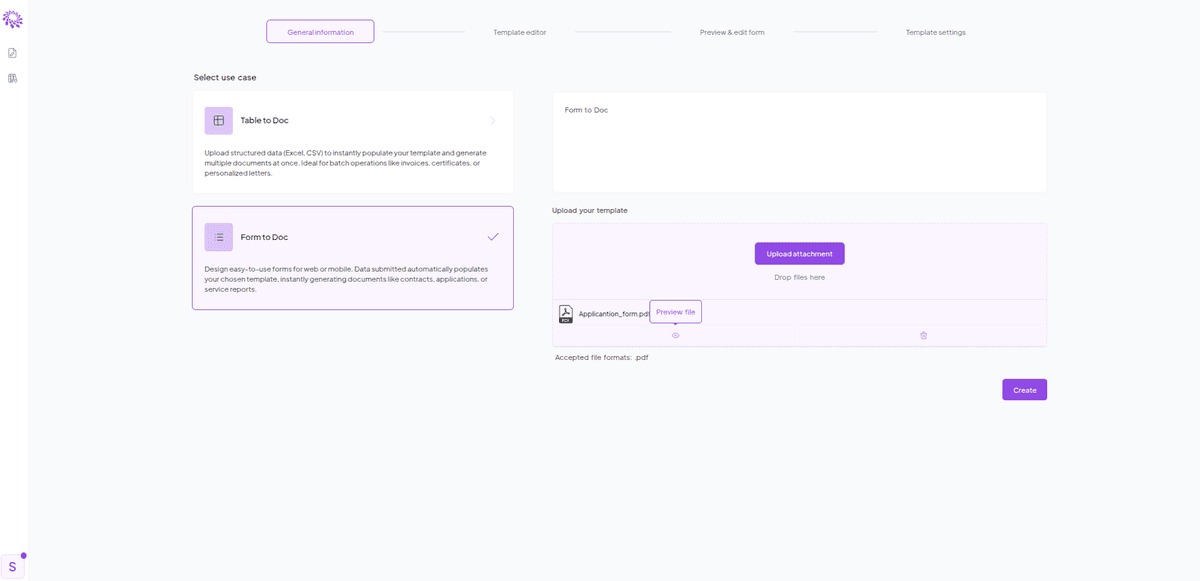
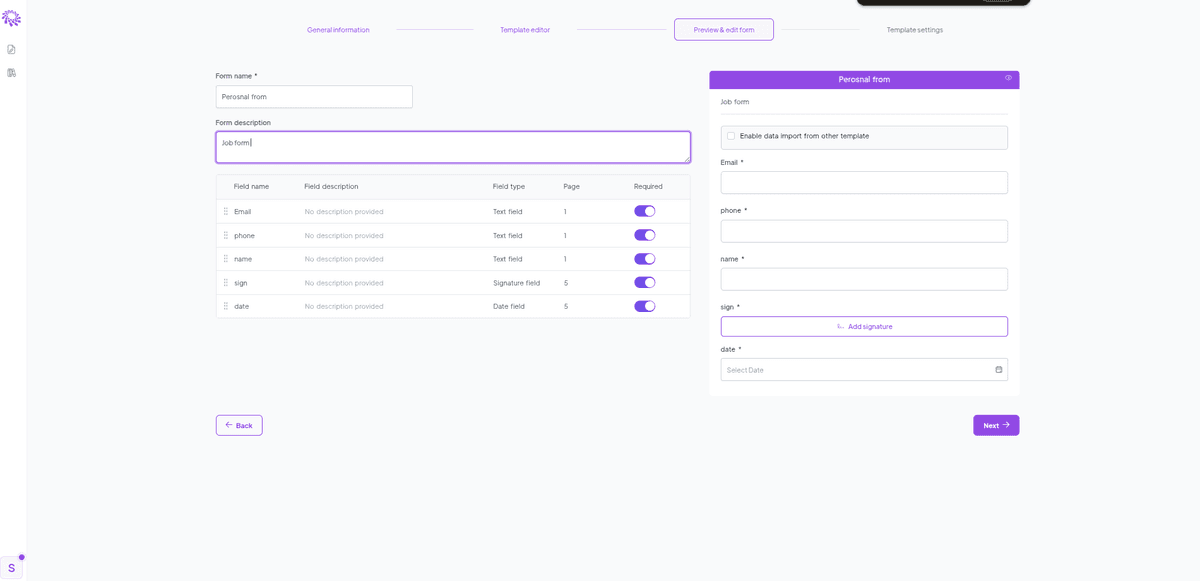
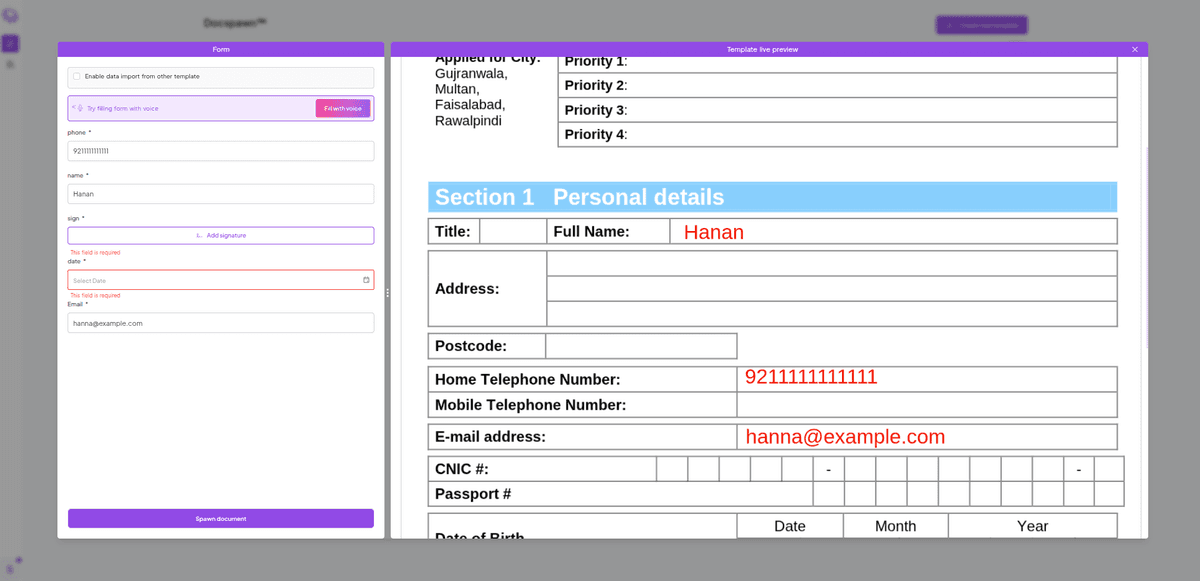
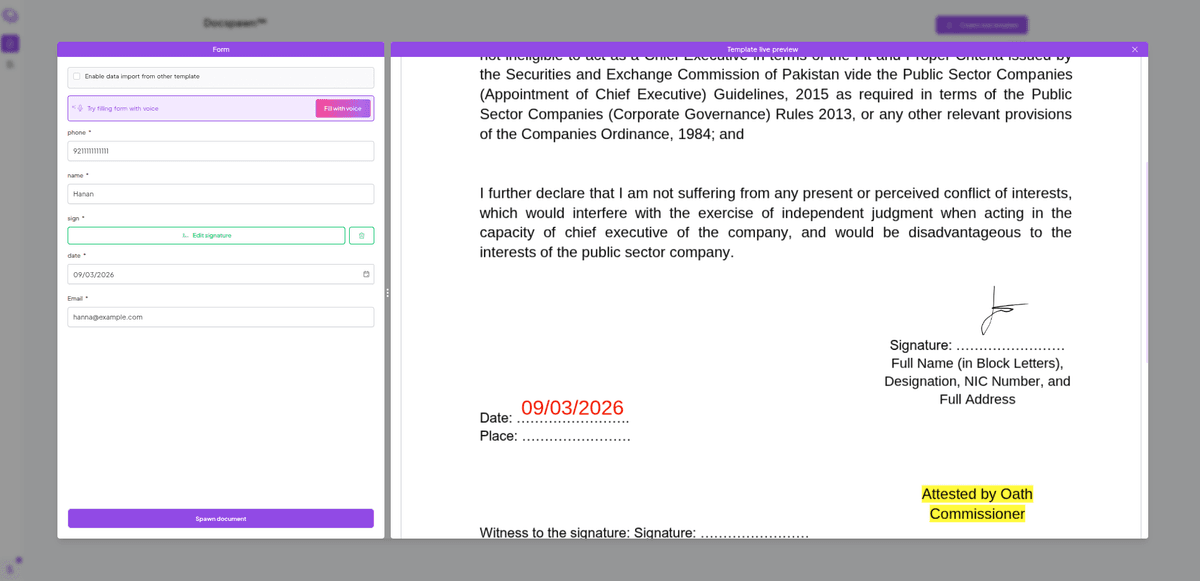
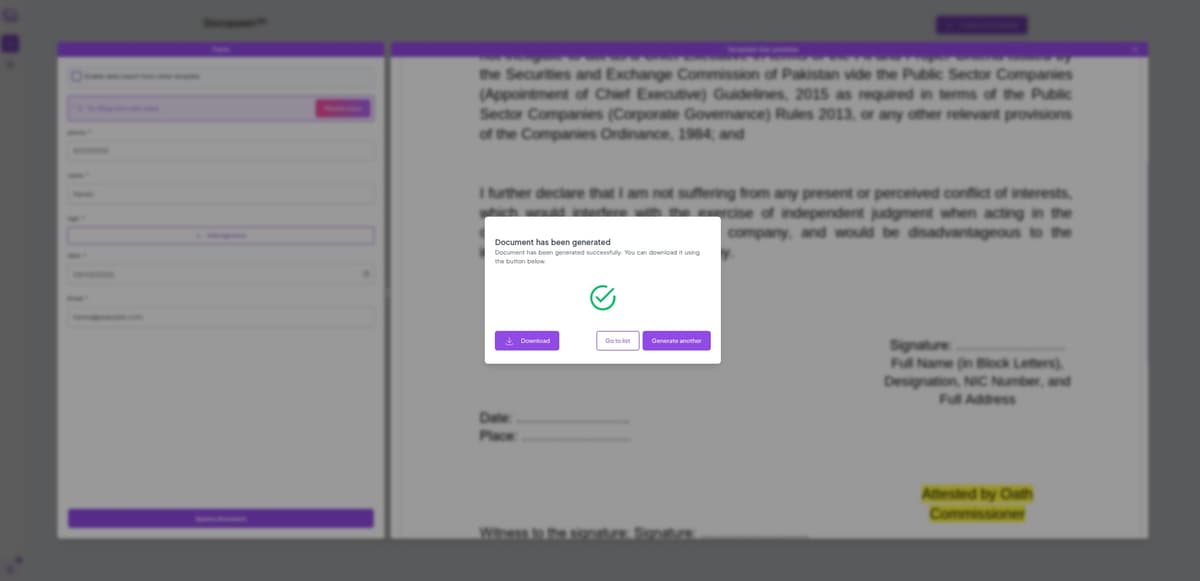
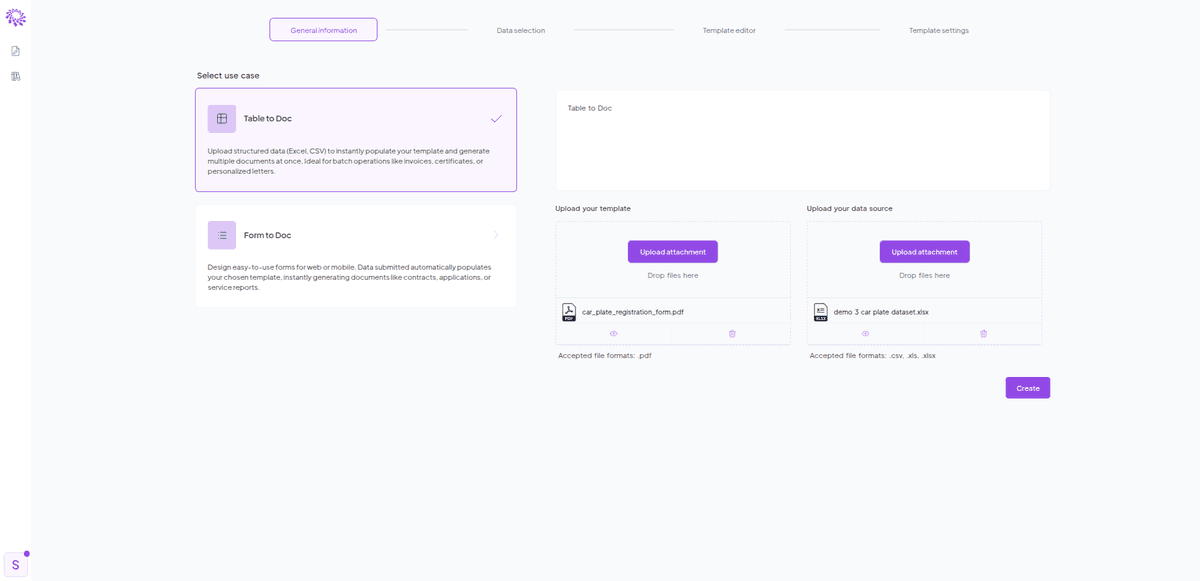
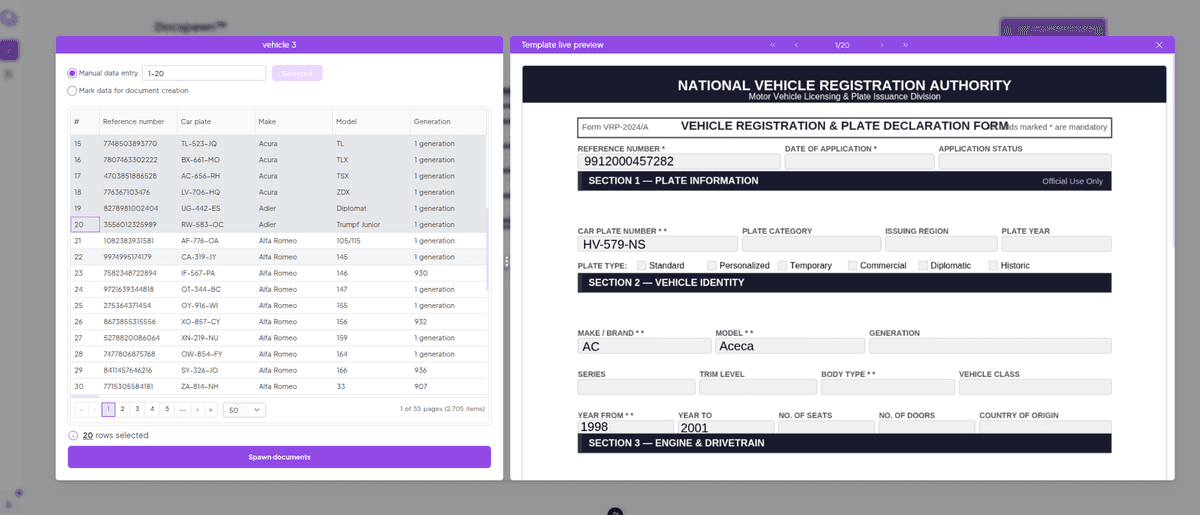
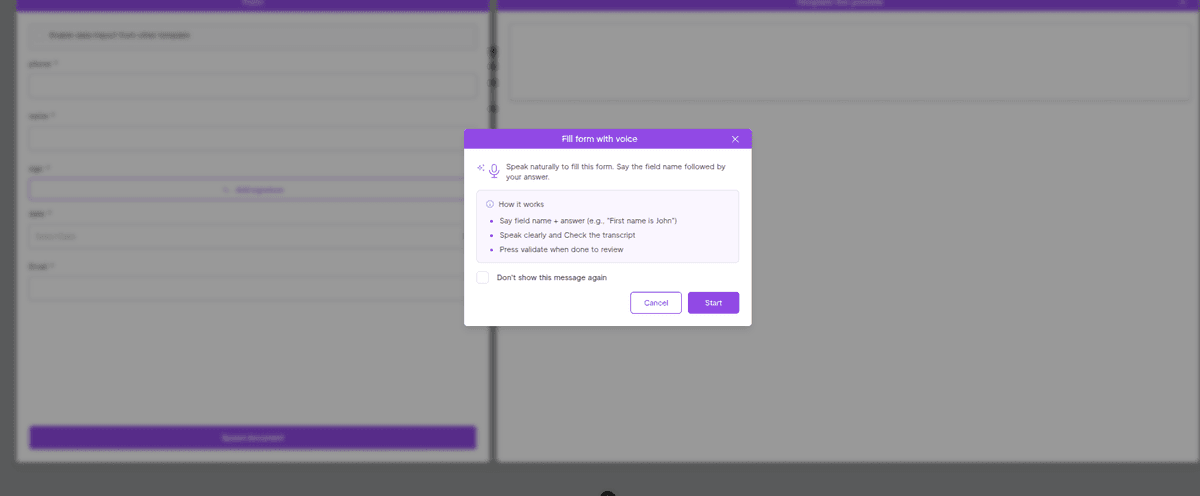
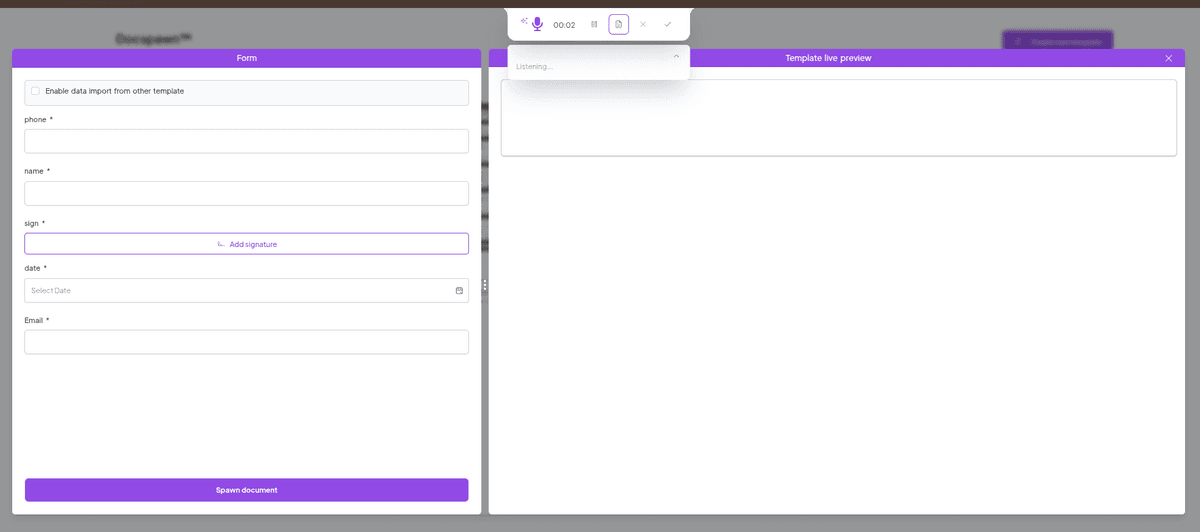
- •Three generation modes: FormToDoc (single), TableToDoc (batch from datasets), and Expert Editor (rich HTML to PDF)
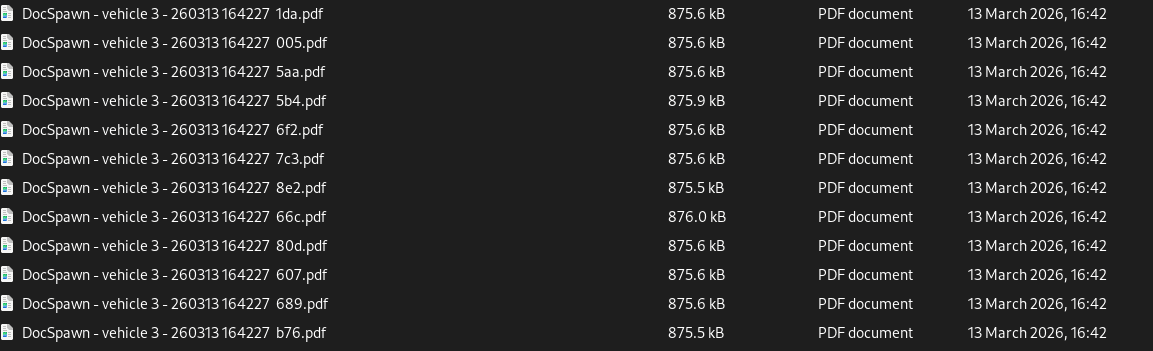
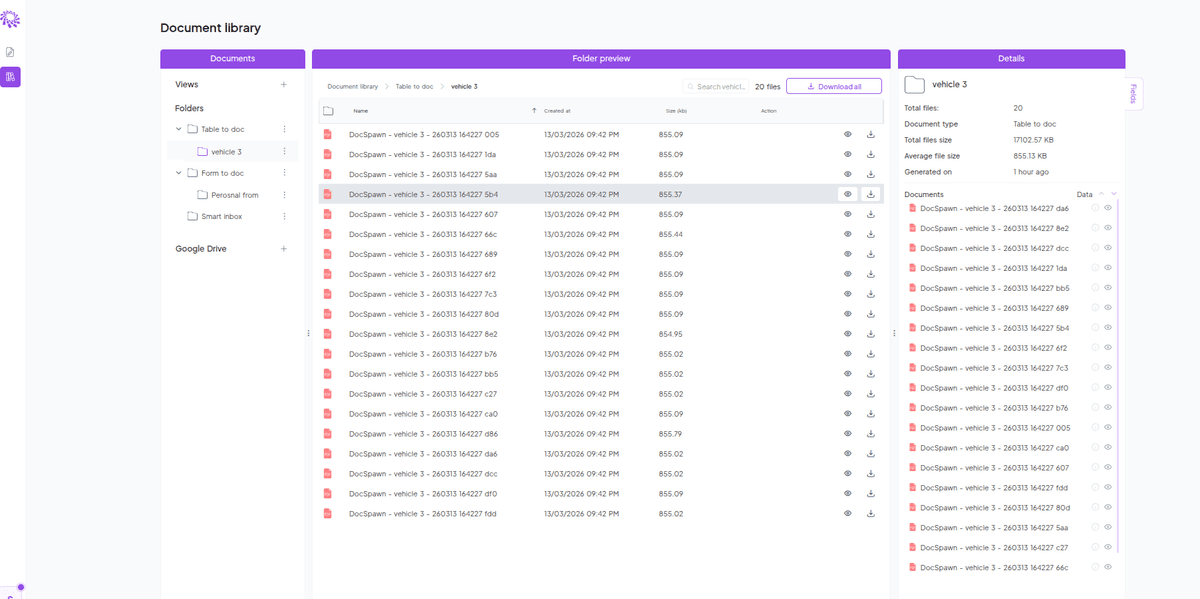
- •Batch generation of hundreds of documents in a single request with per-document failure isolation
- •Shared access links with secure, expiring tokens that let external users generate documents without an account
- •Dynamic file naming via Handlebars templates with variable substitution from data rows
- •Full i18n support across 13 languages including RTL (Arabic) and CJK (Japanese, Korean, Chinese)
For Developers
- •Rust rendering microservice (Axum + Tokio + lopdf) delivering 10-100x throughput over the original Node.js pdf-lib approach
- •Hybrid database architecture: PostgreSQL for relational queries, DynamoDB for large nested JSON template definitions
- •Two-phase quota protocol with atomic reservation before rendering, commit after completion, and partial failure rollback
- •CASL-based authorization with workspace scoping and shared access degradation
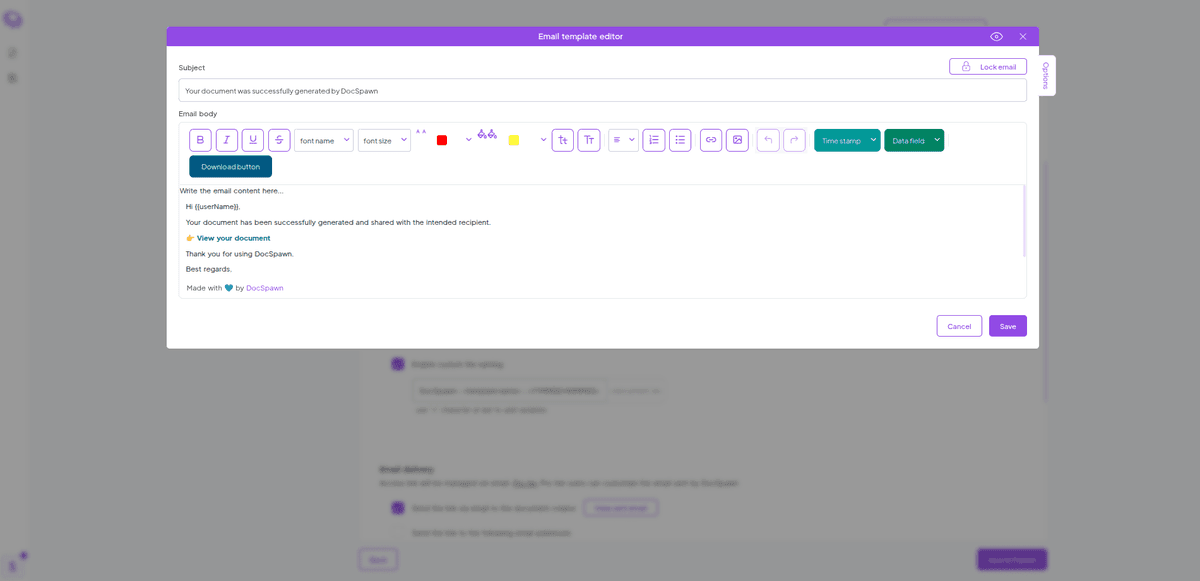
- •Event-driven side effects via BullMQ: thumbnails, indexing, audit logs, and emails run async off the hot path
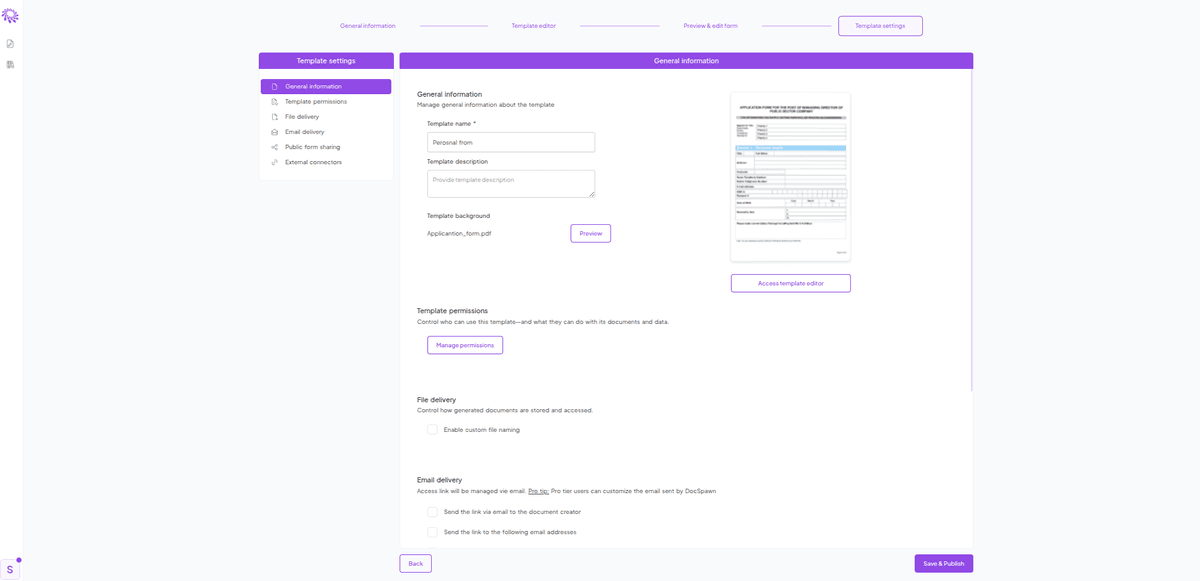
- •Versioned templates in DynamoDB where every save creates a new version and publishing promotes a specific one
Architecture Highlights
Rust PDF Rendering Engine
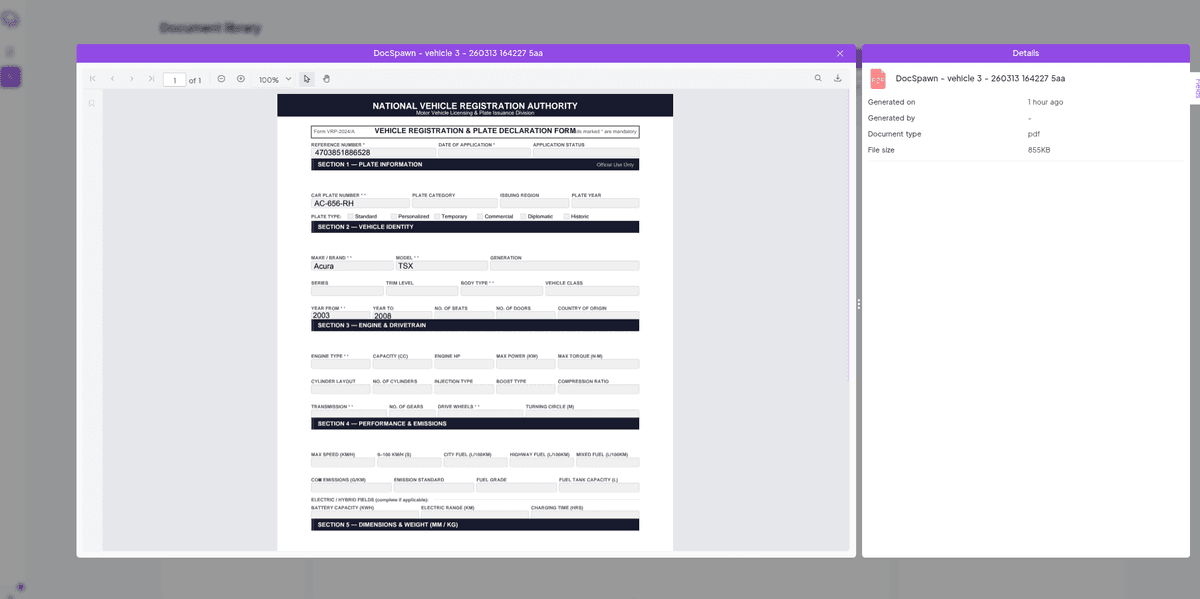
A dedicated Axum microservice handles CPU-bound rendering: loading background PDFs, scaling coordinate systems, drawing text with embedded TTF font subsets, placing images, creating hyperlink annotations, and uploading to S3. Sub-second per-document performance using Tokio's async runtime with semaphore-controlled parallelism.
Hybrid Database Architecture
Templates have structured metadata (names, permissions, quotas) in PostgreSQL and large nested JSON blobs (canvas definitions, field arrays, versioned snapshots) in DynamoDB. A Rust aggregation layer joins both sources transparently for the API consumer.
Coordinate System Scaling
The frontend canvas works in pixel coordinates while PDFs use point-based units. An in-place scaling system modifies the PDF's MediaBox directly, renders at canvas coordinates, then restores original dimensions, eliminating costly serialize/deserialize cycles.
Event-Driven Processing Pipeline
Document generation triggers async events via BullMQ for thumbnail creation, full-text indexing, audit logging, and email delivery, keeping the hot rendering path fast while ensuring all side effects complete reliably.
Batch Concurrency with Failure Isolation
TableToDoc uses Tokio semaphore-controlled parallelism so one bad row never blocks the batch. Per-document timing metrics are collected for observability, and partial failures release unused quota reservations automatically.
Integrated Tools
Visual Editor
Fabric.js canvas with drag-and-drop fields, multi-page templates, watermarks, and per-field styling
Rust Renderer
Sub-second PDF generation with embedded TTF fonts, images, hyperlinks via lopdf + Axum
Batch Engine
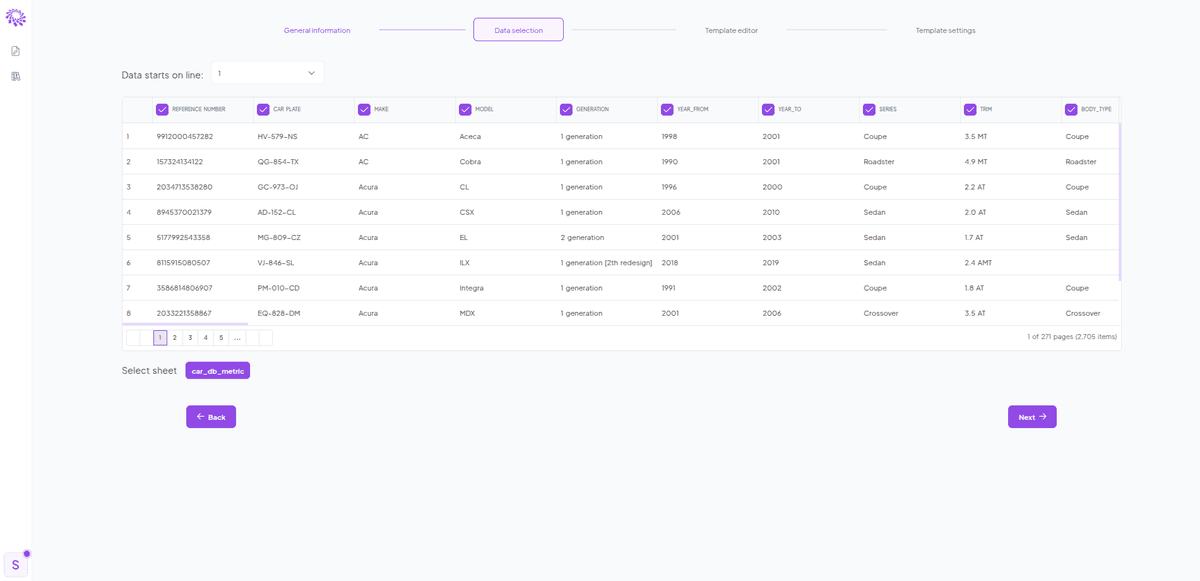
Dataset-driven concurrent generation with semaphore control and per-document failure isolation
HTML Editor
Tiptap-based rich text editor with variable placeholders rendered to PDF via headless Chrome
Data Sources
CSV upload or manual tabular datasets with versioned schemas and column-to-field mapping
Shared Links
Secure, expiring SHA-256 hashed tokens for external document generation without accounts
Key Learnings & Challenges Solved
- 1Drew the Rust microservice boundary at the performance bottleneck while keeping NestJS for orchestration, which simplified both systems
- 2Split PostgreSQL and DynamoDB by access pattern (relational vs document) with a transparent aggregation layer in Rust
- 3Built an atomic reserve-then-commit quota protocol to solve race conditions in concurrent batch generation
- 4In-place MediaBox scaling eliminated an entire intermediate PDF generation step for coordinate conversion
- 5Parsed TTF glyph metrics in Rust for accurate text positioning and consistent cross-device font rendering
- 6Preserved custom Fabric.js properties across save/restore cycles without data loss through careful serialization